While Dolmabahce Palace is famous for its grand halls, crystal chandeliers, and imperial architecture, the Painting Museum offers a different perspective on Ottoman history. Visitors can see how Western artistic traditions influenced Ottoman court culture through a collection of 553 artworks arranged across 34 themed galleries.
What Is the National Palaces Painting Museum?
The National Palaces Painting Museum, known in Turkish as Milli Saraylar Resim Müzesi, is an art museum administered by Türkiye's National Palaces Administration. It is located in the historic Crown Prince's Apartments, also called the Veliahd Dairesi, within the Dolmabahce Palace complex. The museum opened on March 22, 2014, following the restoration of part of the building.
After further restoration and expansion, its exhibition spaces were reorganized to accommodate a larger collection of paintings and drawings. Today, the museum presents one of Türkiye's significant collections of Ottoman palace paintings, illustrating how European painting techniques, artistic movements, and subjects became increasingly prominent in Ottoman cultural life.
History of the National Palaces Painting Museum
The building housing the museum was constructed during the reign of Sultan Abdülmecid in the 19th century. It originally served as the residence of Ottoman crown princes before they ascended to the throne. Several members of the Ottoman dynasty lived here during their years as heirs, including Sultan Abdülaziz, Sultan Murad V, Sultan Abdülhamid II, Sultan Mehmed V Reşad, and Sultan Mehmed VI. The building was also associated with Abdülmecid Efendi, the last Ottoman caliph and an accomplished painter.
The residence reflected the changing position of Ottoman princes following the Tanzimat reforms of 1839. Instead of living under the earlier restrictions imposed on potential successors, princes gained greater freedom and access to cultural and intellectual activities. Following restoration, the building became a public art museum, initially exhibiting approximately 200 works. The expanded museum now presents 553 paintings and drawings in 34 thematic sections.
What Can You See at the National Palaces Painting Museum?
The museum's collection includes artworks associated with Ottoman sultans, court painters, Turkish artists, and European painters whose works became part of imperial collections. Rather than presenting paintings from a single artistic period, the museum covers several centuries of artistic development. Visitors can encounter royal portraits, military compositions, maritime paintings, landscapes, and scenes of everyday life.
Ottoman Sultans and Imperial Portraits
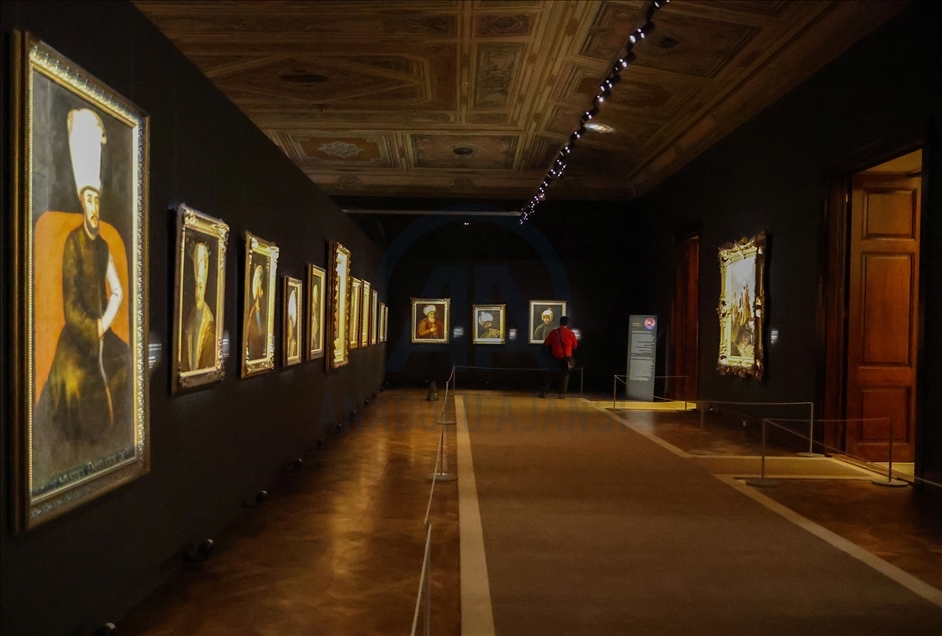
Portraits played an important role in Ottoman imperial representation, particularly during the 19th century, when Western-style painting became increasingly influential at the palace. The museum includes galleries devoted to Sultan Abdülmecid, Sultan Abdülaziz, and imperial portraiture. These works provide insight into how the Ottoman dynasty presented itself through visual art and allow visitors to observe the increasing use of European painting techniques.
Ivan Aivazovsky and Maritime Paintings
One of the museum's notable exhibition sections is dedicated to Ivan Aivazovsky, the celebrated painter known for his dramatic seascapes. Aivazovsky's artistic relationship with the Ottoman court contributed to the presence of his works in imperial collections. His paintings frequently feature ships, turbulent seas, atmospheric skies, and carefully rendered maritime scenes. The museum's Aivazovsky gallery is particularly interesting for visitors who appreciate maritime art and historical naval subjects.
Osman Hamdi Bey and Turkish Painters
The museum also presents works associated with important figures in the development of Turkish painting, including Osman Hamdi Bey, Şeker Ahmed Paşa, Halil Paşa, Süleyman Seyyid, and Hoca Ali Rıza. These artists contributed to the development of Western-style painting in the Ottoman Empire through portraits, landscapes, still-life compositions, and historical subjects. Their paintings demonstrate how Ottoman artists adopted European techniques while incorporating subjects connected to their own cultural environment.
Orientalist Paintings
Orientalist painting is another important part of the National Palaces Painting Museum's collection. These artworks often depict architecture, landscapes, historical events, and scenes associated with the Ottoman Empire and the wider Middle East. One of the museum's most notable works is Prince Halim Hunting Gazelles in the Gatah Desert: Greyhounds' Share, painted by French artist Félix-Auguste Clément.
Originally displayed at the Said Halim Pasha Waterfront Mansion, this monumental composition is recognized as Türkiye's largest Orientalist painting. Its scale and detailed composition make it a particularly significant work within the museum's collection.
Abdülmecid Efendi's Artistic Legacy
Abdülmecid Efendi, the last Ottoman caliph, was also an accomplished painter with a strong interest in European art and culture. The museum includes exhibition sections dedicated to his artistic activities and studio, providing insight into his personal involvement in painting and the broader artistic environment of the late Ottoman court. For visitors interested in the relationship between Ottoman royalty and the arts, this part of the collection offers a valuable historical perspective.
Architecture of the Painting Museum
The National Palaces Painting Museum is notable not only for its artworks but also for the building in which they are displayed. The former Crown Prince's Apartments retain architectural features associated with 19th-century Ottoman palace design, including decorated ceilings, spacious interiors, and ornamental details influenced by European styles.
The restoration of the building included improvements to exhibition lighting, display panels, and visitor information systems. These additions allow the historic interiors to function as a modern art museum while preserving their architectural character. Visitors can appreciate both the paintings and the former imperial residence as part of the same cultural experience.
Where Is the National Palaces Painting Museum Located?
The National Palaces Painting Museum is located within the Dolmabahce Palace complex in Istanbul's Beşiktaş district, close to the Bosphorus waterfront. It occupies the former Crown Prince's Apartments toward the Beşiktaş side of the palace complex, making it convenient to combine with other sections of Dolmabahce Palace.
Museum Address: Vişnezade Mahallesi, Dolmabahçe Caddesi, Dolmabahçe Sarayı, Beşiktaş, Istanbul, Türkiye
Visitors should follow the signs for Resim Müzesi and confirm the appropriate entrance when arriving.
How to Get to the National Palaces Painting Museum
The museum is accessible by public transportation from several popular areas of Istanbul. Visitors can reach the Dolmabahce Palace area by tram, funicular, ferry, or bus.
From Sultanahmet
Take the T1 tram toward Kabataş and get off at the final stop. From Kabataş, continue walking toward Dolmabahce Palace and follow the signs for the Painting Museum. The tram journey generally takes approximately 20 to 25 minutes, with additional walking time required to reach the museum entrance.
From Taksim Square
Take the F1 funicular from Taksim to Kabataş. From there, walk toward the Dolmabahce Palace complex and continue to the Painting Museum entrance. The journey is relatively straightforward and avoids road traffic between Taksim and the waterfront.
From Beşiktaş
Visitors staying in Beşiktaş can reach the Painting Museum on foot. The museum is located near the Beşiktaş side of the Dolmabahce Palace complex, making it convenient for travelers exploring the waterfront and surrounding neighborhood.
National Palaces Painting Museum Opening Hours
The National Palaces Painting Museum is generally open six days a week, with Monday designated as its regular closing day. The ticket office opens at 09:00 and closes at 17:00 from Tuesday to Sunday, although visitor schedules may change during holidays, special events, or maintenance periods.
| Day |
Visiting Information |
| Monday |
Closed |
| Tuesday – Sunday |
Ticket office opens at 09:00 |
| Ticket Office Closing |
17:00 |
Visitors should check the latest official opening and closing information before traveling, particularly when planning to arrive later in the afternoon.
National Palaces Painting Museum Tickets
Visitors can purchase a separate ticket for the National Palaces Painting Museum without necessarily visiting the main palace interiors. Alternatively, official Dolmabahce Palace combined admission includes the Selamlık, Harem, and Painting Museum sections. The exact areas included in admission depend on the ticket category purchased.
Before booking, visitors should check whether their selected ticket covers the Painting Museum or only specific sections of Dolmabahce Palace. The Turkish Müzekart is generally accepted for the Painting Museum, although it does not cover the Dolmabahce Palace Selamlık section. Ticket prices and admission conditions may change, so checking the current options before arrival is recommended.
How Long Does It Take to Visit the Painting Museum?
Most visitors should allow approximately 60 to 90 minutes to see the main exhibition galleries at a comfortable pace. Art enthusiasts who want to examine individual paintings, read exhibition descriptions, and spend additional time in the themed sections may prefer a longer visit.
If you are planning to see the main sections of Dolmabahce Palace on the same day, allow several additional hours for the complete experience. Combining the palace interiors with the Painting Museum can provide a broader understanding of Ottoman architecture, court life, and artistic culture.
Can You Visit the Painting Museum and Dolmabahce Palace Together?
Yes. The National Palaces Painting Museum is located within the Dolmabahce Palace complex, making it possible to include both attractions in the same itinerary. Visitors can begin with the Selamlık, which contains the palace's principal ceremonial and administrative rooms, before continuing to the Harem and Painting Museum, depending on their ticket and the available visitor route.
The experiences complement each other. While Dolmabahce Palace presents the architectural grandeur and daily life of the late Ottoman court, the Painting Museum focuses on the paintings collected, commissioned, and appreciated by the imperial household. Before your visit, review the available Dolmabahce Palace tickets and confirm which sections are included in your selected admission option.
Tips for Visiting the National Palaces Painting Museum
Planning your visit in advance can help you enjoy the museum and its collections more comfortably. Consider the following recommendations when organizing your trip:
- Check the opening schedule: The museum is closed on Mondays, and holiday schedules may vary.
- Confirm your ticket type: Separate museum admission and combined palace tickets are available.
- Allow enough time: Plan at least 60 to 90 minutes for the Painting Museum alone.
- Follow museum photography rules: Photography restrictions may apply inside exhibition spaces.
- Pay attention to the themed galleries: The Aivazovsky, Osman Hamdi Bey, and Abdülmecid Efendi sections are particularly interesting for art enthusiasts.
- Combine nearby attractions: The museum can be visited alongside Dolmabahce Palace, the palace gardens, and the Beşiktaş waterfront.
- Use public transportation: Kabataş and Beşiktaş provide convenient connections to the surrounding area.
Is the National Palaces Painting Museum Worth Visiting?
The National Palaces Painting Museum is worth including in an Istanbul itinerary, particularly for travelers interested in Ottoman history, European art, and historical architecture. Its collection offers a perspective that differs from the palace's ceremonial rooms, revealing how the Ottoman court engaged with Western artistic traditions and how Turkish painters developed their own approaches to modern painting.
The museum also provides an opportunity to enter the former Crown Prince's Apartments, adding an architectural and historical dimension to the experience. Whether you are visiting Dolmabahce Palace for the first time or returning to see more of its collections, the National Palaces Painting Museum offers a rewarding addition to your time in Istanbul.